Every backpacker hostel in Nairobi has the same conversation happening at breakfast. Someone pulls up a blog about reaching the Masai Mara by matatu, and the table splits into believers and skeptics. That conversation is really about one search: backpacker safari kenya no operator, and whether it holds up in real life. I have run trips into the Mara for years, and I will tell you the truth other guides skip: yes, you can do it without an operator. But “cheaper” and “better” are not the same thing here.
Backpacker Safari Kenya No Operator: Is It Legal and Safe to Enter Kenyan Parks?
You do not need a licensed guide to enter most Kenya Wildlife Service parks if you have your own vehicle. Nairobi National Park, Lake Nakuru, and Amboseli all allow self-drive visitors through the main gates. You pay entry fees, show your vehicle papers, and drive yourself.
The Masai Mara National Reserve is different. It is run by Narok County, not KWS, and while a guide is not legally mandatory, driving the reserve without one is genuinely hard. Roads are unmarked dirt tracks that shift after every rainy season. Getting stuck alone near the Mara River at dusk is not a story you want.
Walking safaris are only allowed in specific spots, like Hell’s Gate National Park near Naivasha, where you can walk or cycle among zebra and giraffe with a ranger for a small fee. Inside the Mara itself, you stay in the vehicle.
Getting There: Matatu, Shared Taxi, and Bus Routes from Nairobi
The classic backpacker route runs Nairobi to Narok town, then Narok to the gate villages of Talek or Sekenani. Nairobi to Narok is about 140 km on tarmac, and matatus from Nairobi’s Ronald Ngala Street area take roughly 2.5 to 3 hours. Fares sit in the KES 500 to 700 range as of 2026.
From Narok, the road turns to dirt for the final 70 to 90 km to the Mara gates, depending on which one you use. This stretch has far fewer matatus. Most backpackers wait at the Narok stage for a shared taxi heading to Talek or Sekenani, which can take two hours or more and costs roughly KES 800 to 1,500 per seat. For a fuller breakdown of timings and stage locations, see our guide to getting to the Masai Mara by public bus.
Some travelers skip Narok and go via Bomet or Sotik toward the Mara Triangle side. It is longer, but connects better if you are coming from Lake Victoria or western Kenya.
Budget Campsites and Guesthouses Near the Park Gates
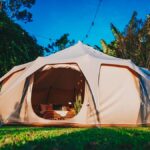
Talek town, right outside Talek Gate, has become the backpacker hub. Camps like Riverside Camp and Miti Mbili Camp offer tent pitches for roughly KES 800 to 1,500 per person a night, indicative for 2026. Crocodile Camp, a bit further along the Talek River, sits closer to mid-range with dorm beds and simple rooms.
Sekenani Gate has fewer options but Mara Springs Adventure Camp and a handful of small guesthouses in Sekenani village fill the gap. Expect basic bedding, cold showers most of the time, and shared bathrooms. None of these are luxury, but they put you five to ten minutes from the gate, which matters when game drives start at 6 a.m.
Arranging a Game Drive Vehicle Once You Arrive
This is the part every backpacker blog glosses over. Public transport gets you to the gate. It does not get you into the reserve, because you cannot walk or matatu your way past the rangers.
Once you are in Talek or Sekenani, you ask around. Camp managers usually know a driver-guide with a Land Cruiser who takes day trips for hire. Expect to pay somewhere in the USD 80 to 150 range for a vehicle and driver for a full day, indicative for 2026, before park fees. Split four or five ways among other travelers at your camp, that becomes manageable.
The catch is timing. You might spend your first evening asking around for a driver instead of watching a sunset over the Mara plains. Compare that against booking one of our budget group-joining safaris, where the vehicle and driver are already arranged before you leave Nairobi.
Full Cost Breakdown: Independent vs. Group-Joining
Here is where the numbers matter more than the theory. This table uses indicative 2026 figures for a solo backpacker on a two-day, one-night Mara trip.
| Cost item | Independent backpacker (per person) | Valley Safaris group-joining |
|---|---|---|
| Nairobi to Narok transport | KES 600 (matatu) | Included |
| Narok to Talek/Sekenani | KES 1,200 (shared taxi) | Included |
| Park entry fee (Masai Mara, non-resident) | USD 80/day, indicative | Included |
| Camping or budget room, 1 night | KES 1,200, indicative | Included (shared lodge/camp) |
| Game drive vehicle hire, split 4 ways | USD 25-35 | Included |
| Meals, 2 days | KES 1,500-2,500, indicative | Included |
| Time spent arranging logistics | 3-5 hours, often more | None |
| Approximate total | USD 130-180 | From USD 150-220, indicative |
The gap is smaller than most blogs admit. You save maybe USD 20 to 40 by going fully independent, and you spend hours haggling for a driver instead of watching wildlife. If you want to see how different providers stack up on price, our page on comparing the cheapest Kenya safari operators breaks it down further.
Best and Worst Parks to Attempt Without an Operator
Some parks genuinely work for independent travelers. Nairobi National Park is 30 minutes from the CBD, reachable by matatu to the Langata gate area, with vehicle hire sometimes available right at the gate. Lake Nakuru is compact enough that a hired local taxi can cover the main circuit in half a day. Hell’s Gate lets you walk or cycle, no vehicle needed at all.
The Masai Mara, Amboseli, and both Tsavo parks are much harder. They are large, the roads are confusing, and a local driver-guide knows where the cats are resting that morning. Going in blind in these parks often means long drives seeing very little.
Money-Saving Tips and Shared-Vehicle Strategies
Travel in a group of four to six if you can. Vehicle hire costs the same whether one person or six are inside, so splitting it is the single biggest saving available to backpackers.
Ask camp noticeboards and common areas for other travelers heading to the same gate on the same days. Most budget camps near Talek have a small community of backpackers doing exactly this.
Travel in the shoulder months, April to May or November, when camp rates drop and the parks are quieter. Avoid July through September if your budget is tight, since that is peak wildebeest migration season and prices rise everywhere.
When It’s Worth Paying for a Local Ground Operator
If this is your first Kenya trip, if you only have two or three days, or if you are traveling solo and want company as much as wildlife, a local ground operator earns its cost fast. A good driver-guide reads tracks, radios other vehicles about sightings, and knows which back roads avoid the crowds at a leopard sighting. Independent travelers miss a real percentage of big cat sightings simply because they do not have that network.
The Valley Safaris Difference
We built our group-joining safaris for exactly this middle ground. You do not need to book a private vehicle and driver on your own, and you do not need to pay for one either. You join a small group, already vetted and already moving, with a driver-guide who has worked the Mara for years and knows which conservancy road the cheetahs favor this month.
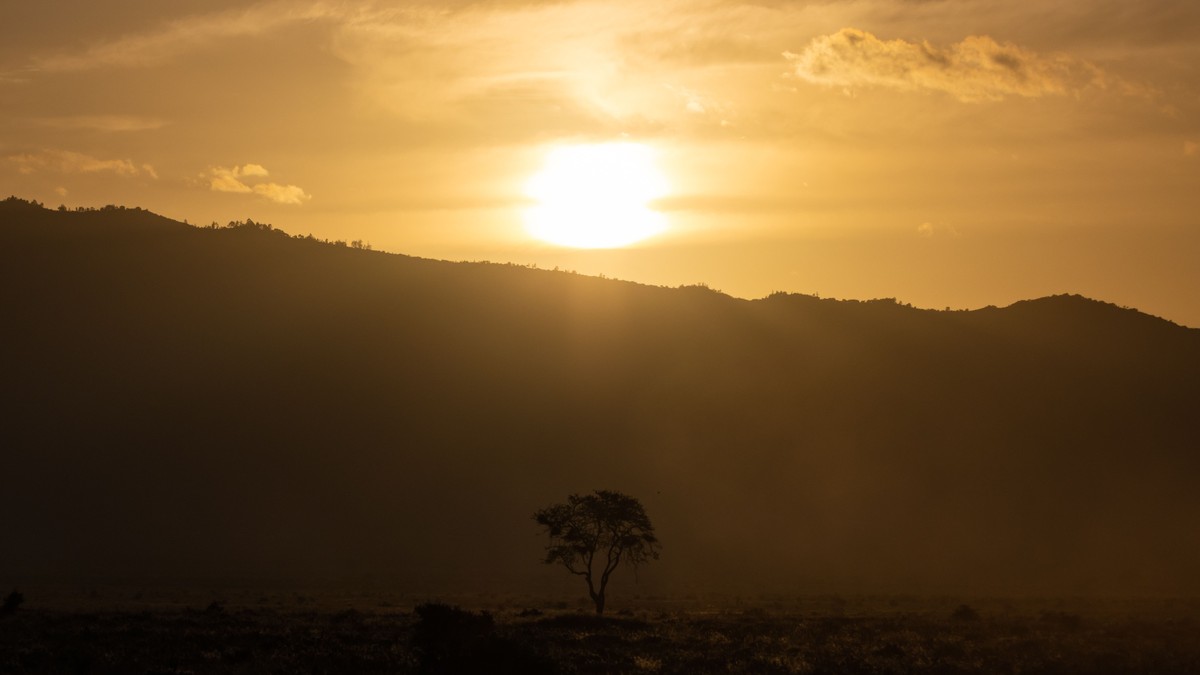
Our guides carry a thermos and a blanket for the surprise sunset stop nobody expects on day one. That is not a script. It is what happens when a driver has done this route hundreds of times and knows exactly where to pull over at 6:15 p.m. We keep group sizes small enough that you still feel like the trip is yours, not a bus tour with a checklist.
Plan It With Us
If the logistics above sound like more hassle than holiday, that is fair. A backpacker safari without an operator is possible, and for parks like Nairobi National Park or Hell’s Gate, it is a great option. For the Mara, Amboseli, and Tsavo, the honest math favors a hybrid trip more than the DIY blogs let on.
Talk to us about your dates and your budget, and we will build a plan around them, whether that is a full group-joining safari or just help arranging your Mara game drives. Visit our tours page to see current departures, or reach out through our contact page to start planning.